


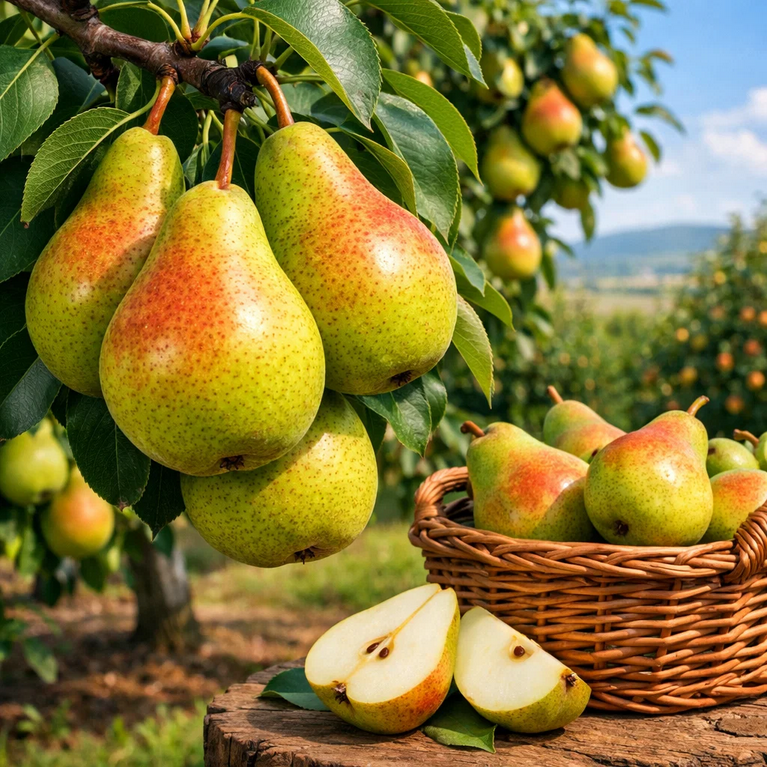
The navigator pear has emerged as one of the most popular pear varieties for both home gardeners and commercial growers. Known for its sweet, juicy flavor, crisp texture, and reliable yield, this pear offers a combination of culinary versatility and nutritional benefits. From planting and care techniques to storage, cooking applications, and health advantages, understanding the navigator pear is essential for anyone looking to enjoy this exceptional fruit. This article provides a detailed, practical guide to growing, using, and maximizing the benefits of navigator pear.
The Appeal of Navigator Pear
The navigator pear stands out due to its balanced sweetness, firm yet tender texture, and adaptability. Unlike some pear varieties that struggle with disease or climate changes, navigator pears thrive in a range of temperate regions. Its consistent fruit production and attractive appearance make it a preferred choice for gardeners and orchard managers.
Beyond aesthetics and taste, the navigator pear is nutritionally rich, providing dietary fiber, vitamin C, potassium, and antioxidants. These benefits have contributed to its popularity not just for consumption but also as a fruit that promotes overall wellness. Whether eaten fresh, baked, or preserved, the navigator pear continues to gain recognition among fruit enthusiasts.
Origins and Development of Navigator Pear
The navigator pear is a relatively modern cultivar, developed through selective breeding to combine disease resistance, high yield, and superior fruit quality. Breeders focused on producing a pear that could thrive in diverse climates while maintaining its sweet, aromatic flavor.
This pear variety has gained widespread adoption due to its reliability and resilience. Farmers and gardeners appreciate the medium-to-large fruit size, attractive yellow-green skin, and long harvest season. Its adaptability to different soil types and climates has further solidified navigator-pear as a popular choice for both personal gardens and commercial orchards.
Physical and Botanical Characteristics
Understanding the characteristics of navigator pear is crucial for successful cultivation and use:
- Fruit Size and Shape: Medium to large, slightly elongated, with smooth yellow-green skin.
- Texture and Flavor: Juicy, sweet, slightly granular, with a crisp bite.
- Tree Size: Medium-sized with dense foliage, suitable for backyard gardens and orchards.
- Growth Habit: Upright and moderately vigorous, making pruning and maintenance manageable.
- Resilience: Shows moderate resistance to common diseases such as fire blight and scab.
These characteristics make navigator pear a versatile fruit for both fresh consumption and culinary use.
Nutritional Value of Navigator Pear
The navigator pear is highly nutritious and supports a healthy diet. Key nutrients include:
- Dietary Fiber: Aids digestion and promotes gut health.
- Vitamin C: Enhances immunity and supports collagen production.
- Potassium: Helps maintain healthy blood pressure and cardiovascular function.
- Antioxidants: Protect cells from damage caused by free radicals.
Low in calories and naturally hydrating, navigator-pears make an excellent snack or ingredient in smoothies, salads, and baked goods, contributing to overall health and well-being.
Planting and Cultivation Tips
Growing navigator pear requires attention to soil, sunlight, and proper care. Here are key considerations:
1. Soil and Site Selection
Navigator-pears grow best in well-drained, fertile soil with a slightly acidic to neutral pH. Avoid low-lying areas prone to waterlogging, which can damage roots and reduce tree longevity.
2. Sunlight Requirements
Full sunlight is essential for optimal growth and fruit development. Choose a location receiving at least 6–8 hours of direct sunlight daily.
3. Watering and Mulching
Consistent, deep watering promotes healthy root growth. Mulching around the tree helps retain moisture, regulate soil temperature, and reduce weed growth.
4. Pruning and Maintenance
Pruning encourages airflow, removes damaged branches, and improves fruit quality. Annual pruning in late winter or early spring is recommended.
Pollination and Productivity
While navigator pear can self-pollinate, cross-pollination with compatible pear varieties increases fruit set, size, and yield. Bees and other pollinators play a critical role in ensuring effective fertilization.
Healthy, well-maintained trees can yield 50–150 pounds of fruit annually, depending on soil quality, climate, and tree age. Proper care, fertilization, and pest management are key to maximizing harvests.
Common Pests and Diseases
Even with its resilience, navigator-pear may encounter pests and diseases. Awareness and proactive management are essential:
- Fire Blight: A bacterial infection that can blacken leaves and branches. Pruning and resistant rootstocks help mitigate the risk.
- Codling Moth: Larvae burrow into fruit; monitoring and traps can control infestations.
- Pear Scab: Fungal infection causing spots on leaves and fruit; controlled with fungicides and good airflow.
Regular monitoring and preventive measures ensure trees remain healthy and productive.
Harvesting Navigator-Pear
Harvesting navigator pear correctly is crucial for flavor and shelf life.
- Timing: Pick pears when they are full-sized and color has developed, but still firm. Many pears ripen off the tree.
- Handling: Handle fruit carefully to avoid bruising and use padded containers for transport.
- Storage: Store in cool, humid conditions (32–35°F) to extend shelf life. Proper storage can keep navigator pears fresh for several weeks.
These practices maintain quality and ensure the fruit remains enjoyable for consumption or sale.
Culinary Applications of Navigator Pear
The navigator pear is exceptionally versatile in the kitchen:
- Fresh Eating: Perfect as a snack or added to fruit salads.
- Baking and Desserts: Ideal for pies, tarts, crisps, and poached dishes.
- Preserves and Sauces: Can be made into jams, chutneys, and compotes.
- Beverages: Works well in smoothies, juices, and infused waters.
Its ability to retain shape when cooked makes navigator-pear a preferred choice for both home cooking and professional kitchens.
Health Benefits of Navigator Pear
Eating navigator pear regularly provides several health benefits:
- Supports Digestive Health: High fiber content promotes regularity and gut health.
- Heart Health: Potassium and antioxidants help maintain cardiovascular function.
- Immune Support: Vitamins and minerals strengthen immunity.
- Weight Management: Low-calorie content and fiber contribute to feeling full, aiding in weight control.
Incorporating navigator pear into a balanced diet offers both taste and wellness benefits.
Tips for Home Gardeners
Home gardeners can optimize the growth and yield of navigator-pear with these strategies:
- Planting Distance: Space trees adequately to ensure sunlight and airflow.
- Fertilization: Apply a balanced fertilizer annually to encourage fruiting and tree vigor.
- Pest Management: Use organic or chemical solutions as needed, maintaining tree health.
- Tree Support: Stake young trees to protect against wind and encourage upright growth.
Proper care ensures robust trees and high-quality fruit harvests.
Conclusion
The navigator pear is a highly adaptable and flavorful fruit variety that offers numerous advantages for growers and consumers. With its sweet, juicy flesh, firm texture, and nutritional value, navigator pear is suitable for fresh eating, culinary creations, and commercial cultivation. Proper planting, pollination, pest management, and storage ensure maximum yield and fruit quality. Beyond its practicality and versatility, navigator pear provides significant health benefits, making it a valuable addition to diets and gardens alike. From orchard to table, navigator pear represents a perfect blend of taste, nutrition, and resilience.
FAQs
1. What is navigator pear?
Navigator pear is a hybrid pear variety known for its sweet, juicy flavor, crisp texture, and adaptability to diverse climates.
2. When is the best time to harvest navigator pear?
Harvest mid-to-late season when the fruit is firm, full-sized, and color has developed; ripening can continue off the tree.
3. Can navigator-pear grow in home gardens?
Yes. It thrives in temperate climates with proper care, soil, and sunlight.
4. What pests affect navigator-pear trees?
Common pests include codling moth, fire blight, and pear scab, which can be managed with monitoring and preventive measures.
5. How should navigator pear be stored?
Store in cool, humid conditions (32–35°F) to preserve freshness and extend shelf life.
6. What are the health benefits of navigator-pear?
High fiber, vitamin C, potassium, and antioxidants support digestion, heart health, immunity, and weight management.
7. What are the culinary uses of navigator-pear?
Navigator pear can be eaten fresh, baked, poached, made into sauces, jams, or used in beverages like smoothies and juices.
Get more updates or Stories on True Stars Magazine