



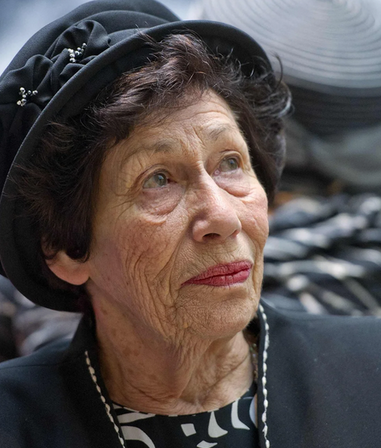
The story of Hannah Goslar is deeply intertwined with one of the most powerful narratives of the 20th century—the life of Anne Frank. While Anne’s diary became a global symbol of hope and tragedy, Hannah’s life offers a rare and personal perspective on friendship, survival, and resilience during the Holocaust. Known for her courage and compassion, Hannah Goslar stands as a living bridge between history and memory. This detailed biography explores her early life, wartime experiences, post-war journey, and enduring legacy.
| Field | Details |
|---|---|
| Full Name | Hannah Elisabeth Pick-Goslar |
| Known As | Hannah Goslar |
| Date of Birth | November 12, 1928 |
| Place of Birth | Berlin, Germany |
| Nationality | German-born / Later Israeli |
| Religion | Judaism |
| Profession | Nurse, Holocaust Survivor, Public Speaker |
| Famous For | Friendship with Anne Frank |
| Father | Hans Goslar (German government official) |
| Mother | Ruth Judith Klee |
| Siblings | Younger sister (Gabi Goslar) |
| Childhood Residence | Amsterdam, Netherlands |
| Migration | Fled Germany to Netherlands (1933) |
| Concentration Camps | Westerbork, Bergen-Belsen |
| Notable Event | Reunited briefly with Anne Frank at Bergen-Belsen (1945) |
| Liberation | April 1945 by British forces |
| Post-War Residence | Israel |
| Career | Worked as a nurse in Israel |
| Marital Status | Married |
| Children | Yes (details mostly private) |
| Known For Personality | Resilient, compassionate, strong-willed |
| Historical Role | Eyewitness to Holocaust, contributor to Anne Frank’s legacy |
| Public Contributions | Holocaust education, interviews, documentaries |
| Languages | German, Dutch, Hebrew (likely) |
| Legacy | Symbol of friendship, survival, and remembrance |
Early Life and Family Background
Hannah Pick-Goslar was born on November 12, 1928, in Berlin, Germany, into a Jewish family. Her father, Hans Goslar, was a prominent government official, while her mother, Ruth Judith Klee, came from a respected background. The family lived a comfortable life before the rise of Nazi Germany, which dramatically changed their future.
In 1933, when Adolf Hitler came to power, Jewish families faced increasing persecution. Recognizing the danger, the Goslar family fled to the Netherlands, seeking safety in Amsterdam. This move would later connect Hannah to one of history’s most famous figures.
Friendship with Anne Frank
One of the most defining aspects of Hannah Goslar’s life was her close friendship with Anne Frank. The two girls met in Amsterdam and quickly became inseparable. They attended the same school and shared a strong bond rooted in trust, laughter, and childhood innocence.
Hannah often described Anne as lively, intelligent, and full of curiosity. Their friendship reflected a normal life before the horrors of war intensified. These early memories became especially meaningful as circumstances changed, highlighting the human side of historical events.
Life in Amsterdam Before the War Escalation
Before the full impact of the Holocaust reached Amsterdam, Hannah Goslar experienced a relatively stable childhood. She attended school, spent time with friends, and adapted to life in a new country. However, anti-Jewish laws gradually restricted daily activities.
Jewish children were forced to attend separate schools, and families faced limitations on movement and employment. Despite these challenges, Hannah maintained her friendship with Anne Frank and other peers, trying to preserve a sense of normalcy in an increasingly uncertain world.
Separation from Anne Frank
In 1942, the lives of Hannah Goslar and Anne Frank took drastically different paths. The Frank family went into hiding to avoid deportation, while Hannah remained unaware of their whereabouts. This sudden disappearance left her confused and worried.
As Nazi policies intensified, Jewish families in Amsterdam were systematically deported to concentration camps. Hannah’s life became increasingly difficult, marked by fear and uncertainty. The separation from Anne marked the end of their childhood friendship as they knew it.
Deportation and Life in Concentration Camps
In 1943, Hannah Goslar and her family were arrested and deported to Westerbork transit camp, and later to Bergen-Belsen concentration camp. The conditions in these camps were harsh and inhumane, with limited food, overcrowding, and constant fear.
Despite the suffering, Hannah showed remarkable resilience. She cared for her younger sister and tried to maintain hope in the face of despair. Her experiences during this period reflect the strength required to survive one of history’s darkest chapters.
Reunion with Anne Frank at Bergen-Belsen
One of the most emotional moments in Hannah Goslar’s life occurred when she unexpectedly reunited with Anne Frank at Bergen-Belsen in 1945. The reunion was brief and heartbreaking, as the two were separated by a fence.
Hannah recalled how Anne appeared weak and ill but still recognizable. During their encounters, Hannah managed to pass food to Anne, offering small moments of comfort. This reunion became a powerful symbol of friendship and humanity amid unimaginable suffering.
Survival and Liberation
As the war neared its end, conditions in the camps worsened. Disease and starvation were widespread. Tragically, Anne Frank did not survive, but Hannah Goslar managed to endure.
In April 1945, Bergen-Belsen was liberated by British forces. Hannah, though severely weakened, survived the ordeal. Her survival marked the beginning of a new chapter, one that would involve rebuilding her life and preserving the memories of those who were lost.
Post-War Life and Recovery
After the war, Hannah Goslar faced the challenge of rebuilding her life. She eventually immigrated to Israel, where she started anew. Despite the trauma she experienced, she showed remarkable determination and resilience.
Hannah pursued a career in healthcare, becoming a nurse. Her choice of profession reflected her compassionate nature and desire to help others. Through her work, she contributed positively to society while carrying the memories of her past.
Career as a Nurse and Personal Life
In Israel, Hannah Goslar built a fulfilling life both professionally and personally. She married and raised a family, creating a sense of stability after years of hardship. Her career as a nurse allowed her to care for others, embodying empathy and strength.
Her life serves as an example of how individuals can overcome adversity and find purpose. Despite the challenges she faced, Hannah remained committed to living a meaningful and productive life.
Sharing Her Story and Historical Importance
In later years, Hannah Goslar became an important voice in Holocaust education. She shared her experiences in interviews, documentaries, and public talks, helping future generations understand the realities of that time.
Key contributions include:
- Providing firsthand accounts of life during the Holocaust
- Sharing personal memories of Anne Frank
- Educating young audiences about tolerance and humanity
Her testimony adds depth to historical understanding, offering a personal perspective that complements written records.
Relationship to Anne Frank’s Legacy
While Anne Frank’s diary gained worldwide recognition, Hannah Goslar’s story provides additional context to Anne’s life. Their friendship humanizes Anne beyond her writings, showing her as a real person with meaningful relationships.
Hannah’s recollections have helped historians and readers better understand Anne’s character, personality, and final days. This connection ensures that both stories remain intertwined in historical memory.
Challenges and Emotional Resilience
The life of Hannah Goslar was marked by profound challenges, including loss, displacement, and trauma. Yet, her ability to rebuild her life demonstrates extraordinary resilience.
Some of the key challenges she faced include:
- Loss of family members during the Holocaust
- Physical and emotional trauma from camp experiences
- Adjusting to life after the war
Her journey highlights the strength of the human spirit and the importance of perseverance.
Recognition and Cultural Impact
Over time, Hannah Goslar has received recognition for her role in preserving Holocaust history. Her story has been featured in books, films, and documentaries, reaching audiences worldwide.
Her experiences have inspired discussions about friendship, survival, and moral courage. By sharing her story, she has contributed to a broader understanding of history and the importance of remembering the past.
Later Years and Legacy
In her later years, Hannah Goslar continued to share her story, ensuring that the lessons of history are not forgotten. Her life stands as a testament to resilience, compassion, and the enduring power of friendship.
Her legacy is defined not only by her connection to Anne Frank but also by her own strength and contributions. She remains an important figure in Holocaust remembrance and education.
Conclusion
The life of Hannah Goslar is a powerful story of friendship, survival, and resilience. From her early days in Berlin to her experiences during the Holocaust and her life afterward, she has demonstrated remarkable strength. Her connection to Anne Frank adds a deeply human dimension to history, reminding us of the personal stories behind global events. Today, her legacy continues to inspire and educate, ensuring that the lessons of the past remain relevant for future generations.
FAQs
1. Who is Hannah Goslar?
Hannah Goslar is a Holocaust survivor and childhood friend of Anne Frank, known for sharing her experiences during World War II.
2. What is Hannah Goslar famous for?
She is known for her friendship with Anne Frank and her survival story from Bergen-Belsen concentration camp.
3. Did Hannah Goslar survive the Holocaust?
Yes, she survived and was liberated in 1945, later building a life in Israel.
4. What did Hannah Goslar do after the war?
She became a nurse, started a family, and shared her experiences through education and storytelling.
5. Did Hannah Goslar meet Anne Frank in the camp?
Yes, they briefly reunited at Bergen-Belsen, communicating through a fence and exchanging food.
6. Where did Hannah Goslar live after the war?
She eventually settled in Israel, where she built her life and career.
7. Why is Hannah Goslar important in history?
Her story provides a personal perspective on the Holocaust and adds depth to the legacy of Anne Frank.
Get more updates or Stories on True Stars Magazine