



Few figures in modern sports have reshaped an entire industry like Billy Beane. Known for transforming how baseball teams evaluate talent, Beane became a symbol of innovation through his use of data-driven decision-making. His journey from a promising player to a groundbreaking executive is both inspiring and influential.
Best recognized for popularizing the “Moneyball” strategy, he challenged traditional scouting methods and proved that analytical thinking could compete with big-budget teams. This detailed biography explores his early life, playing career, front-office success, and lasting impact on baseball.
| Field | Details |
|---|---|
| Full Name | William Lamar Beane III |
| Known As | Billy Beane |
| Date of Birth | March 29, 1962 |
| Age | 64 years (as of 2026) |
| Birthplace | Orlando, Florida, United States |
| Nationality | American |
| Profession | Baseball Executive, Former MLB Player |
| Years Active | 1980 – Present (player & executive roles) |
| Education | Did not attend college (committed to Stanford but chose MLB) |
| MLB Draft | 1980, 1st Round – New York Mets |
| Playing Position | Outfielder |
| MLB Teams Played For | New York Mets, Minnesota Twins, Detroit Tigers, Oakland Athletics** |
| Executive Role | General Manager (1997–2015), EVP Baseball Ops (2015–present) |
| Team (Executive Career) | Oakland Athletics |
| Famous For | Pioneering the Moneyball strategy in baseball |
| Key Achievement | 2002 AL 20-game winning streak (A’s) |
| Book Feature | Moneyball |
| Movie Portrayal | Moneyball (played by Brad Pitt**) |
| Awards | MLB Executive of the Year (multiple times) |
| Net Worth (Est.) | $20–25 million (approx.) |
| Marital Status | Married |
| Children | Yes |
| Known For Traits | Analytical thinking, innovation, leadership |
| Legacy | Revolutionized baseball using data analytics |
Early Life and Background
Billy Beane was born on March 29, 1962, in Orlando, Florida, but he grew up in San Diego, California. His father, a naval officer, introduced him to baseball at an early age, helping him develop a passion for the sport.
During his high school years at Mount Carmel High School, Beane excelled as a multi-sport athlete. He demonstrated exceptional talent in baseball, football, and basketball, but baseball quickly became his primary focus. Scouts recognized his potential, describing him as a future star due to his athleticism and strong hitting ability.
His early promise set high expectations for his professional career.
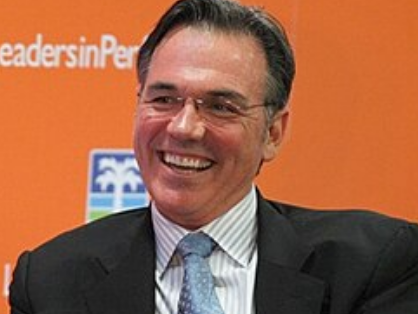
Amateur Success and MLB Draft
Beane’s talent earned him national attention, and he was selected in the 1980 Major League Baseball Draft by the New York Mets. He turned down a scholarship to Stanford University to pursue a professional baseball career.
At the time, he was considered one of the most promising prospects in the draft. His combination of speed, power, and defensive skills made him highly sought after.
However, the transition from amateur success to professional baseball proved to be more challenging than expected, setting the stage for a career filled with lessons and growth.
Professional Playing Career
Billy Beane’s playing career in Major League Baseball (MLB) did not fully match the high expectations set during his youth. He played for several teams, including:
- New York Mets
- Minnesota Twins
- Detroit Tigers
- Oakland Athletics
Despite his natural talent, Beane struggled with consistency at the major league level. He later reflected on his career as an example of how traditional scouting methods can sometimes overvalue physical ability while overlooking other important factors.
These experiences would later influence his revolutionary approach to team management.
Transition from Player to Executive
After retiring as a player, Billy Beane transitioned into a front-office role with the Oakland Athletics. He began as a scout and quickly moved up the ranks due to his sharp analytical mind.
In 1997, he became the General Manager of the team. This marked the beginning of a new chapter in his career, where he would redefine how baseball organizations operate.
His shift from player to executive allowed him to apply lessons learned from his own career, particularly the limitations of traditional evaluation methods.
The Birth of the Moneyball Strategy
One of the most significant contributions of Billy Beane was the development of the Moneyball strategy. Faced with a limited budget compared to larger-market teams, he sought innovative ways to remain competitive.
Instead of relying solely on traditional scouting, he used statistical analysis to identify undervalued players. This approach focused on metrics such as on-base percentage (OBP) rather than conventional statistics.
Key principles of the Moneyball strategy include:
- Identifying overlooked talent using advanced statistics
- Maximizing team efficiency with limited financial resources
- Challenging long-standing baseball traditions
This revolutionary method changed the way teams evaluate players and build rosters.
Success with the Oakland Athletics
Under Billy Beane’s leadership, the Oakland Athletics achieved remarkable success despite financial constraints. The team consistently competed against wealthier franchises.
One of the most notable achievements came in 2002, when the Athletics set an American League record with a 20-game winning streak. This accomplishment highlighted the effectiveness of Beane’s strategy.
His tenure with the team demonstrated that innovation and smart decision-making could level the playing field in professional sports.
Billy Beane and the Moneyball Book and Film
Billy Beane’s story gained widespread recognition through the book Moneyball by Michael Lewis. The book detailed his innovative approach and its impact on baseball.
The story was later adapted into the film Moneyball, where Beane was portrayed by Brad Pitt. The movie brought his ideas to a global audience, further cementing his legacy.
These works helped popularize analytics in sports and introduced the concept to fans worldwide.
Leadership Style and Philosophy
Billy Beane is known for his bold and unconventional leadership style. He is not afraid to challenge established norms and take calculated risks.
His management philosophy includes:
- Emphasizing data-driven decision-making
- Encouraging innovation and critical thinking
- Valuing efficiency over tradition
Beane’s approach has influenced not only baseball but also other industries, where analytics and data are increasingly important.
Role as Executive Vice President
In later years, Billy Beane transitioned to the role of Executive Vice President of Baseball Operations for the Oakland Athletics. This position allowed him to focus on broader organizational strategies.
He continued to shape the team’s direction while mentoring younger executives. His influence extended beyond day-to-day operations, contributing to long-term planning and development.
This role highlighted his evolution from a hands-on manager to a strategic leader within the organization.
Influence Beyond Baseball
Billy Beane’s impact extends far beyond baseball. His use of analytics has influenced various fields, including:
- Other sports such as basketball and soccer
- Business management and decision-making strategies
- Data science and performance analysis
Organizations across industries have adopted similar approaches, demonstrating the wide-reaching implications of his work.
Awards and Recognition
Throughout his career, Billy Beane has received numerous accolades for his contributions to baseball. His achievements reflect his innovative thinking and leadership.
Notable recognitions include:
- Executive of the Year awards
- Inclusion in influential sports leadership discussions
- Recognition for transforming baseball analytics
These honors underscore his role as a pioneer in modern sports management.
Personal Life and Character
Billy Beane maintains a relatively private personal life. He is known for his disciplined and focused personality, traits that have contributed to his professional success.
He has been married and has children, balancing his family life with a demanding career. Despite his achievements, he remains grounded and committed to continuous improvement.
His character reflects resilience, adaptability, and a willingness to learn from past experiences.
Legacy and Lasting Impact
Billy Beane’s legacy is defined by his revolutionary approach to baseball management. He challenged traditional thinking and proved that innovation could lead to success.
His contributions have permanently changed how teams evaluate talent and build rosters. Today, analytics are an essential part of sports management, largely due to his influence.
He is widely regarded as one of the most important figures in the evolution of modern baseball.
Conclusion
Billy Beane’s journey from a promising athlete to a visionary executive is a story of transformation and innovation. By embracing data and challenging tradition, he redefined how baseball operates.
His impact continues to be felt across sports and beyond, inspiring organizations to think differently and embrace new ideas. Billy Beane remains a symbol of progress, proving that success often comes from daring to challenge the status quo.
Frequently Asked Questions (FAQs)
1. Who is Billy Beane?
Billy Beane is an American former baseball player and executive known for pioneering the Moneyball strategy.
2. What is Billy Beane famous for?
He is famous for using data analytics to build competitive baseball teams with limited budgets.
3. Which team did Billy Beane manage?
He served as General Manager of the Oakland Athletics.
4. What is Moneyball?
Moneyball is a strategy that uses statistical analysis to identify undervalued players.
5. Was Billy Beane a successful player?
He had a modest MLB career but found greater success as an executive.
6. Who played Billy Beane in the movie?
Brad Pitt portrayed him in the film Moneyball.
7. What is Billy Beane’s legacy?
His legacy is revolutionizing baseball through analytics and data-driven decision-making.
Get more updates or Stories on True Stars Magazine