


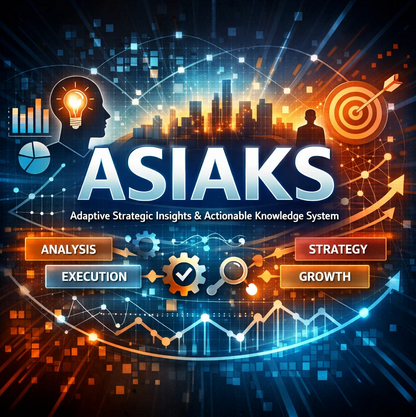
In an era defined by rapid innovation and shifting priorities, new frameworks often emerge to help individuals and organizations stay competitive. One such rising concept is asiaks, a term gaining attention for its structured yet adaptable approach to strategy, growth, and decision-making. Though still evolving, it represents a blend of analytical thinking and practical execution, making it increasingly relevant in today’s complex landscape.
Understanding this concept is not just about definitions—it’s about recognizing how modern systems adapt, grow, and sustain themselves. This article explores its foundations, applications, and long-term significance in a clear and engaging way.
What Is Asiaks? A Clear Definition
At its core, asiaks refers to a structured strategic model designed to improve clarity, adaptability, and performance across different domains. It combines elements of planning, execution, and continuous improvement into a unified framework that helps organizations and individuals make better decisions.
Rather than focusing on rigid processes, this concept emphasizes flexibility and responsiveness. It encourages users to align their goals with evolving conditions, ensuring that strategies remain relevant over time. This adaptability makes it particularly useful in environments where change is constant and unpredictable.
The strength of this model lies in its simplicity. By focusing on key priorities and eliminating unnecessary complexity, it allows users to achieve meaningful progress without becoming overwhelmed.
The Origins and Evolution of Asiaks
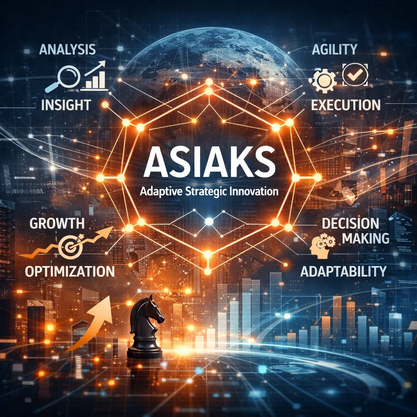
The concept of asiaks did not emerge overnight. It evolved from the growing need for more efficient and adaptable systems in business, technology, and personal development. As traditional models struggled to keep up with rapid changes, new approaches began to take shape.
Early influences include:
- Agile methodologies in software development
- Lean management principles in business
- Data-driven decision-making frameworks
Over time, these ideas merged into a more holistic approach. The result was a system that not only focuses on execution but also emphasizes learning and adaptation. This evolution reflects a broader shift toward smarter, more sustainable growth strategies.
Core Principles Behind Asiaks
Strategic Clarity
One of the defining features of asiaks is its emphasis on clarity. Without a clear understanding of goals and priorities, even the best strategies can fail. This principle ensures that every action is aligned with a specific उद्देश्य or outcome.
Clarity involves identifying key objectives, understanding target audiences, and defining measurable success metrics. This structured approach reduces confusion and improves overall efficiency, allowing teams to focus on what truly matters.
Adaptive Execution
Execution is where many strategies fall apart. This framework addresses that challenge by promoting adaptive execution, which allows for adjustments based on real-time feedback. Instead of following a fixed plan, users can modify their approach as conditions change.
This flexibility leads to better results because it minimizes the risk of pursuing ineffective strategies. It also encourages innovation, as teams are more willing to experiment and refine their methods.
Continuous Improvement
Another key principle is continuous improvement. This involves regularly evaluating performance and making incremental changes to enhance outcomes. Over time, these small improvements can lead to significant gains.
Benefits of continuous improvement include:
- Increased efficiency
- Better decision-making
- Stronger competitive advantage
- Sustainable growth
By focusing on ongoing development, this model ensures long-term success rather than short-term wins.
Why Asiaks Matters in Today’s World
The modern world is characterized by complexity and rapid change. Businesses face constant pressure to innovate, while individuals must adapt to evolving demands. In this context, asiaks offers a practical solution.
It helps organizations:
- Navigate uncertainty with confidence
- Improve operational efficiency
- Build resilient systems
- Achieve consistent growth
For individuals, it provides a framework for setting goals, managing time, and improving productivity. This versatility makes it a valuable tool across various fields and industries.
Applications of Asiaks Across Industries
Business and Entrepreneurship
In business, asiaks can be used to streamline operations and improve strategic planning. Entrepreneurs, in particular, benefit from its focus on clarity and adaptability. By concentrating on high-impact activities, they can achieve faster and more sustainable growth.
Companies that adopt this approach often experience improved alignment between teams, better resource allocation, and more predictable outcomes. This leads to stronger performance and increased competitiveness in the market.
Technology and Innovation
The technology sector thrives on innovation, making adaptability essential. This concept supports rapid development cycles and encourages continuous learning. It allows teams to respond quickly to new trends and emerging challenges.
Key advantages in this sector include:
- Faster product development
- Improved collaboration
- Enhanced problem-solving capabilities
These benefits contribute to more efficient and effective innovation processes.
Personal Development
Beyond professional settings, asiaks is also valuable for personal growth. Individuals can use its principles to set clear goals, track progress, and make informed decisions. This structured approach leads to greater productivity and a stronger sense of purpose.
By focusing on continuous improvement, individuals can develop new skills and achieve long-term success in their personal and professional lives.
Key Components of the Asiaks Framework
To fully understand asiaks, it is important to explore its main components. These elements work together to create a cohesive and effective system.
Goal Definition
Every successful strategy begins with clear goals. This component involves identifying what needs to be achieved and why it matters. Well-defined goals provide direction and motivation, ensuring that efforts are focused and purposeful.
Resource Allocation
Efficient use of resources is critical for success. This includes time, money, and human capital. By prioritizing high-impact activities, users can maximize their results while minimizing waste.
Performance Tracking
Tracking progress is essential for continuous improvement. This involves measuring key metrics and analyzing results to identify areas for improvement. Regular evaluation ensures that strategies remain effective and aligned with goals.
Feedback Integration
Feedback plays a crucial role in refining strategies. By incorporating insights from various sources, users can make informed decisions and improve their performance over time.
Benefits of Implementing Asiaks
Organizations and individuals who adopt asiaks often experience a wide range of benefits. These advantages make it a compelling choice for those seeking to improve their strategies and outcomes.
Some of the most notable benefits include:
- Enhanced clarity and focus
- Improved efficiency and productivity
- Greater adaptability to change
- Stronger long-term performance
These benefits highlight the value of a structured yet flexible approach to strategy and execution.
Challenges and Limitations
While asiaks offers many advantages, it is not without challenges. Understanding these limitations is essential for successful implementation.
One common challenge is resistance to change. Many organizations are accustomed to traditional methods and may be hesitant to adopt new approaches. Overcoming this resistance requires strong leadership and clear communication.
Another challenge is maintaining consistency. Continuous improvement requires ongoing effort and commitment. Without discipline, it can be difficult to sustain progress over time.
Despite these challenges, the benefits often outweigh the drawbacks, making it a worthwhile investment for many users.
How to Implement Asiaks Effectively
Implementing asiaks requires a thoughtful and structured approach. By following a few key steps, users can maximize their chances of success.
Step-by-Step Approach
- Define clear and measurable goals
- Identify key priorities and focus areas
- Allocate resources efficiently
- Track performance regularly
- Adjust strategies based on feedback
This process ensures that strategies remain aligned with objectives and adaptable to changing conditions.
Best Practices
To achieve the best results, consider the following practices:
- Maintain a strong focus on priorities
- Encourage collaboration and communication
- Embrace flexibility and innovation
- Commit to continuous learning
These practices help create a supportive environment for successful implementation.
The Future of Asiaks
As the world continues to evolve, the importance of adaptable frameworks like asiaks is likely to grow. Organizations and individuals will increasingly rely on flexible strategies to navigate uncertainty and achieve their goals.
Future developments may include:
- Integration with advanced technologies such as AI
- Greater emphasis on data-driven decision-making
- Expanded applications across different industries
These trends suggest that this concept will continue to play a significant role in shaping modern strategies.
Conclusion
Asiaks represents a modern approach to strategy and execution, combining clarity, adaptability, and continuous improvement into a single framework. Its emphasis on flexibility and focus makes it particularly valuable in today’s fast-paced world.
By adopting this approach, organizations and individuals can improve their performance, achieve sustainable growth, and navigate complex challenges with confidence. While implementation may require effort and commitment, the long-term benefits make it a worthwhile investment.
As industries continue to evolve, frameworks like this will remain essential for success, offering a clear path forward in an increasingly uncertain landscape.
Frequently Asked Questions (FAQs)
What does asiaks mean?
It refers to a strategic framework focused on clarity, adaptability, and continuous improvement to achieve better outcomes.
Is asiaks suitable for small businesses?
Yes, it is highly effective for small businesses, as it helps them focus on key priorities and use resources efficiently.
Can individuals use asiaks for personal growth?
Absolutely. It provides a structured approach to goal-setting, productivity, and continuous self-improvement.
What industries benefit most from asiaks?
It is versatile and can be applied across industries, including business, technology, education, and personal development.
How long does it take to see results?
Results can vary, but many users notice improvements within a few months of consistent implementation.
What are the main challenges of asiaks?
Common challenges include resistance to change and maintaining consistency in execution.
Is asiaks a rigid framework?
No, it is designed to be flexible and adaptable, allowing users to adjust strategies based on changing conditions.
Get more updates or Stories on True Stars Magazine